
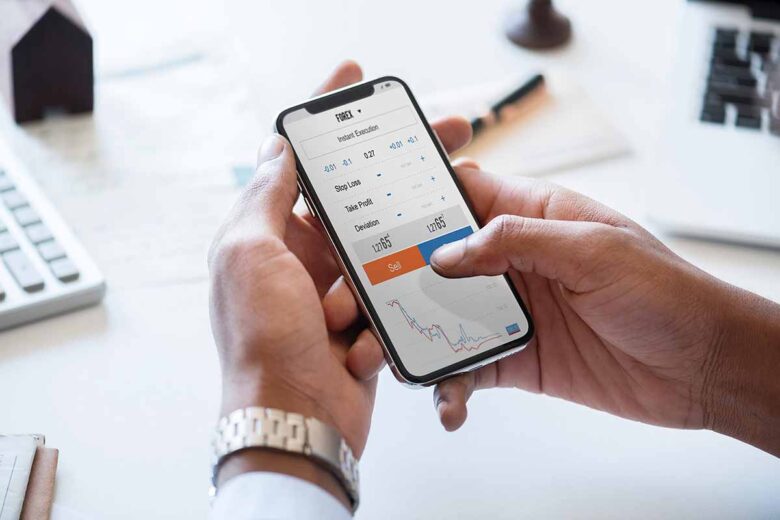



In today’s fast-changing economy, people are constantly seeking new ways to build alternative income streams. Among the most popular choices, Forex trading stands out as one of the most flexible and accessible options for part-time traders. Thanks to digital platforms, learning resources, and mobile trading apps, it’s now possible for anyone — from students to professionals — to participate in the world’s largest financial market without leaving their day job.
1. Understanding Forex Trading
Forex, short for foreign exchange, is the global market where currencies are bought and sold. It operates 24 hours a day, five days a week, and involves trading currency pairs like EUR/USD or GBP/JPY. The goal is simple: buy a currency when you expect its value to rise and sell when you believe it will fall.
Unlike stock markets that operate during fixed hours, Forex runs around the clock, making it ideal for people with limited time. Whether you work full-time or have other commitments, you can trade during your free hours — early mornings, evenings, or even late nights — depending on your time zone.
2. Why Forex Works for Part-Time Traders
One of the biggest advantages of Forex trading is flexibility. You don’t need to be glued to a screen all day. With mobile apps like MetaTrader 4, MetaTrader 5, or TradingView, you can analyze the market, place trades, and monitor your positions anytime, anywhere.
Moreover, the Forex market’s liquidity (over $7 trillion traded daily) ensures fast order execution and minimal delays. That means you can enter and exit trades quickly, making it easier to manage risk and protect profits — something part-time traders highly value.
Another reason Forex suits part-time investors is the low entry cost. Many brokers offer demo accounts, micro-lots, and leverage options, allowing beginners to start with small capital while learning the ropes.
3. Building a Strategy That Fits Your Schedule
Successful part-time trading depends on having a strategy that aligns with your lifestyle. Common methods include:
-
Swing Trading – Ideal for part-time traders, as it focuses on holding trades for several days or weeks. You don’t need constant screen time.
-
Position Trading – Long-term trades based on economic trends, suitable for those who prefer minimal daily involvement.
-
Automated Trading – Using expert advisors (EAs) or trading bots to execute trades automatically based on pre-set rules.
Consistency is key — dedicate specific hours weekly for market analysis and avoid overtrading due to emotional decisions.
4. Managing Risk and Expectations
Forex trading can be rewarding, but it’s not a guaranteed source of income. Risk management is essential. Traders often follow the “1% rule,” risking no more than 1% of their capital per trade. Setting stop-loss and take-profit orders helps limit losses and lock in profits even when you’re away from your screen.
It’s also vital to maintain realistic expectations. Part-time trading should be seen as a secondary source of income, not a replacement for your primary job — at least until you’ve built consistent results and experience.
5. Learning and Continuous Improvement
The Forex market rewards knowledge and patience. Fortunately, there’s an abundance of free learning materials — YouTube tutorials, demo accounts, and community groups. By spending just an hour a day learning chart patterns, indicators, and news analysis, you can sharpen your skills and grow steadily as a trader.
Conclusion
Part-time Forex trading offers a powerful way to diversify income without disrupting your career or lifestyle. With the right mindset, education, and discipline, you can leverage the flexibility of the global currency market to achieve financial growth. It’s not a get-rich-quick scheme — it’s a smart, strategic path toward financial independence.